
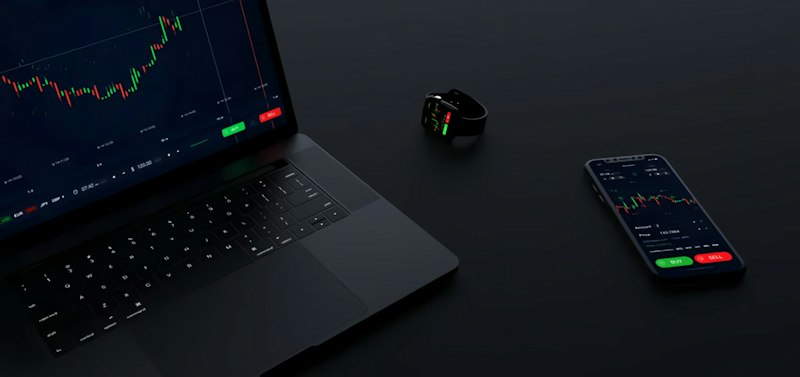
Bitcoin has staged a notable recovery, jumping to $70,800 in early Thursday trading as crude oil prices retreated from their recent highs above $110 per barrel. The move represents a 2.8 percent gain from overnight lows near $68,900 and suggests that the worst of the oil-driven sell-off may be behind us, at least for now.
The recovery was driven by a combination of factors. First, oil prices pulled back approximately 3 percent after reports emerged that diplomatic channels between key Middle Eastern actors were being reopened, reducing fears of a prolonged supply disruption. Second, institutional buyers appeared to step in during the dip, with on-chain data showing significant accumulation by wallets associated with known institutional players. Third, the options market shifted from heavily bearish to more balanced positioning, with the put-call ratio declining from 1.4 to 0.9 over the past 24 hours.
Despite the recovery, the broader macro picture remains challenging. The Federal Reserve's hawkish stance on inflation, combined with elevated energy prices and geopolitical uncertainty, continues to weigh on risk assets. Bitcoin remains approximately 44 percent below its all-time high of $126,199, set in late 2025, and the path back to those levels will likely require a combination of monetary easing, regulatory clarity, and sustained institutional demand.
For long-term investors, the current environment presents both risks and opportunities. VanEck's mid-March Bitcoin ChainCheck report noted that while the 30-day average price fell 19 percent, spot prices have stabilized and realized volatility has dropped significantly. The firm maintains its year-end target of $85,000, suggesting approximately 20 percent upside from current levels.
The options market is also signaling a potential shift. According to data from Deribit, the largest crypto options exchange, significant positioning has built up around the $75,000 strike price for April expiry contracts. Analysts at Binance Research suggest that post-March 20 options expiry, the market structure could shift from volatility suppression to amplification, potentially setting the stage for a larger move in either direction.
For investors looking to capitalize on the current market conditions, having the right tools is essential. If you are actively trading, choosing an exchange with competitive fees and deep liquidity can significantly impact your returns. Our comprehensive comparison of the best crypto exchanges evaluates trading fees, supported assets, security features, and regulatory compliance across all major platforms, helping you find the optimal platform for your trading style.
Dollar-cost averaging remains one of the most effective strategies during periods of volatility. Many crypto exchanges now offer automated recurring purchases, allowing you to build your position gradually without trying to time the market. Check our exchange reviews for platforms that offer this feature with the lowest fees.
For those who prefer to hold their Bitcoin long-term, security should be the top priority. The recent market volatility has been accompanied by an increase in phishing attacks and social engineering scams targeting crypto holders. Storing your assets in a hardware wallet like the Ledger Nano X or Trezor Model T provides the highest level of security. Our wallet comparison page reviews the best options for every budget and use case.
If you are spending crypto during this period, crypto debit cards allow you to take advantage of price movements by spending at the right time. Cards with real-time conversion and no foreign transaction fees are particularly valuable during volatile markets. Our crypto card comparison covers all the top options, including cashback rates, supported currencies, and geographic availability.
Privacy-conscious investors should also consider using a VPN when accessing exchanges and wallets, particularly during periods of heightened market activity when phishing attacks tend to increase. Our VPN comparison reviews the best options that accept cryptocurrency payments.
Frequently Asked Questions
Why did Bitcoin recover to $70,800? The recovery was driven by retreating oil prices, institutional accumulation during the dip, and a shift in options market positioning from bearish to neutral.
Is now a good time to buy Bitcoin? While no one can predict short-term price movements, several analysts maintain year-end targets above $80,000. Dollar-cost averaging is a popular strategy during volatile periods.
How should I store my Bitcoin during volatile markets? Hardware wallets provide the highest security. Our wallet comparison reviews the best options. Avoid keeping large amounts on exchanges during periods of uncertainty.
Which exchange has the lowest trading fees? Trading fees vary by platform and volume tier. Visit our exchange comparison for a detailed breakdown of fees across all major platforms.
Can I earn rewards on my Bitcoin holdings? Some exchanges and crypto cards offer rewards on holdings. Check our crypto cards page for cards that offer cashback, and our exchange reviews for staking options.